
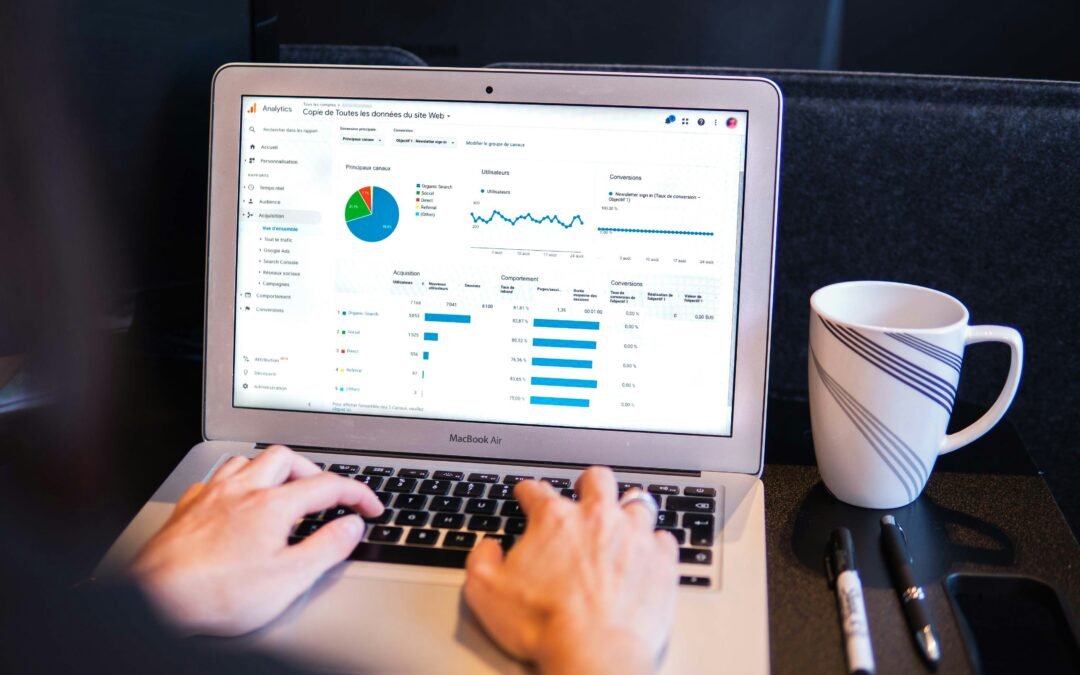
Why SEO Tracking Matters?
In today’s competitive digital landscape, simply having a website is no longer enough. Organizations invest significant time, money, and resources into creating beautiful websites, publishing engaging content, improving user experiences, and implementing search engine optimization (SEO) strategies. Yet many make one critical mistake—they fail to measure the effectiveness of those efforts.
Imagine embarking on a cross-country road trip without a map, GPS, or even a dashboard showing your speed or fuel level. You might eventually reach your destination, but the journey would be inefficient, unpredictable, and filled with unnecessary detours.
SEO works the same way.
Without tracking your SEO performance, you’re making decisions based on assumptions rather than facts. You may believe your website is performing well, but without data, there is no way to know whether your strategy is driving meaningful results, attracting the right audience, or contributing to your organization’s goals.
SEO tracking transforms optimization from a guessing game into a strategic process of continuous improvement. It provides the insights needed to understand what is working, identify what isn’t, and make informed decisions that strengthen your online visibility over time.
Whether you’re a business, nonprofit organization, faith-based ministry, educational institution, or membership association, tracking your SEO performance is essential for long-term digital success.
SEO Is More Than Rankings
When many people think about SEO, they immediately think about keyword rankings.
While rankings are certainly important, they tell only part of the story.
A page ranking first for a keyword may still perform poorly if:
- Visitors leave immediately.
- The content doesn’t answer their questions.
- The page loads slowly.
- Users never contact your organization.
- Visitors fail to convert into customers or supporters.
Conversely, a page ranking fifth for a valuable keyword may generate substantial traffic, qualified leads, and strong engagement.
This is why SEO tracking extends far beyond rankings.
Effective tracking measures how search visibility contributes to real organizational outcomes.
Tracking Reveals Whether Your Strategy Is Working
Every SEO strategy is built upon assumptions.
You may believe your audience is searching for certain topics.
You may assume particular blog posts will perform well.
You may think your website provides an excellent user experience.
Tracking allows you to validate those assumptions with actual data.
Instead of asking:
“I wonder if this is working?”
You can confidently answer:
“Here’s the evidence that it is—or isn’t.”
This ability to measure results transforms SEO into an evidence-based marketing strategy.
Organic Traffic Shows Your Growing Visibility
One of the first metrics organizations monitor is organic traffic.
Organic traffic refers to visitors who discover your website through unpaid search engine results.
Tracking this metric helps answer important questions:
- Is website visibility increasing?
- Are more people discovering your organization?
- Which content attracts the most visitors?
- Which pages generate new audiences?
Organic traffic trends often provide one of the clearest indicators that an SEO strategy is moving in the right direction.
Steady growth typically reflects improved search visibility and stronger digital authority.
Tracking Helps You Understand Your Audience
One of SEO’s greatest advantages is the insight it provides into audience behavior.
SEO tracking helps organizations understand:
- What people are searching for
- Which questions they ask
- Which topics interest them most
- How they discover your website
- What devices they use
- Where they live
These insights allow organizations to make smarter decisions about:
- Content strategy
- Website improvements
- Service offerings
- Marketing campaigns
Instead of guessing what audiences need, organizations can respond directly to actual user behavior.
Data Helps Improve Content Performance
Content is one of the largest investments many organizations make.
Blog posts…
Resource guides…
Videos…
Landing pages…
FAQs…
Case studies…
Without tracking, it is impossible to know which pieces are truly delivering value.
SEO tracking identifies:
- High-performing articles
- Underperforming pages
- Popular topics
- Declining content
- Emerging opportunities
This allows organizations to:
- Refresh older articles
- Expand successful topics
- Improve weaker content
- Eliminate outdated information
Rather than constantly creating new content, tracking helps maximize the value of existing resources.
SEO Tracking Identifies Technical Problems
Even excellent content can struggle if technical issues prevent search engines from properly accessing your website.
SEO tracking helps uncover problems such as:
- Broken links
- Crawl errors
- Indexing issues
- Duplicate content
- Slow-loading pages
- Mobile usability concerns
- Structured data errors
Many of these issues remain invisible to everyday website visitors.
However, they can significantly reduce search visibility.
Routine tracking helps identify technical concerns before they negatively affect rankings and user experience.
Tracking Measures User Engagement
Traffic alone does not determine success.
An effective SEO strategy should attract visitors who engage with your website.
Tracking engagement metrics helps answer questions such as:
- Are visitors reading the content?
- Which pages keep users engaged?
- Where do visitors leave?
- Which pages encourage additional exploration?
Strong engagement often indicates:
- Helpful content
- Good navigation
- Fast performance
- Positive user experience
Weak engagement may reveal opportunities for improvement.
Understanding how visitors interact with your website helps refine both content and design.
Conversion Tracking Connects SEO to Business Goals
Every organization has different objectives.
For some, success means:
- New customers
- Product sales
- Consultation requests
For nonprofits, success may include:
- Donations
- Volunteer registrations
- Event participation
- Newsletter subscriptions
SEO tracking should connect search performance directly to these goals.
Rather than celebrating traffic alone, organizations should evaluate:
- How many visitors became leads?
- How many leads became clients?
- How many visitors completed meaningful actions?
Tracking conversions demonstrates the true value of SEO investments.
Tracking Supports Better Decision-Making
Every digital strategy involves decisions.
Questions arise such as:
- Which content should we publish next?
- Which services deserve more promotion?
- Which pages need updates?
- Where should marketing resources be invested?
Without data, these decisions rely on opinions.
With SEO tracking, organizations make choices based on measurable evidence.
This reduces uncertainty and increases confidence in strategic planning.
SEO Tracking Reveals Long-Term Trends
SEO is not about overnight success.
Meaningful growth often occurs gradually.
Tracking allows organizations to observe:
- Seasonal fluctuations
- Long-term traffic growth
- Content maturity
- Authority development
- Competitive progress
Looking only at short-term changes can be misleading.
Long-term tracking provides a clearer understanding of overall performance.
It also helps organizations remain patient while their SEO investments mature.
Tracking Helps Measure Brand Awareness
SEO contributes significantly to brand recognition.
As visibility increases, more users begin searching specifically for your organization.
Tracking branded search volume helps measure growing awareness.
Examples include searches for:
- Your organization name
- Your products
- Your services
Increasing branded searches often indicate:
- Stronger recognition
- Greater trust
- Expanding authority
This growth demonstrates that SEO supports not only traffic but also brand development.
Tracking Strengthens Competitive Positioning
Every organization operates within a competitive environment.
SEO tracking allows organizations to compare performance against competitors.
This includes monitoring:
- Keyword rankings
- Content opportunities
- Backlink growth
- Industry trends
Understanding competitor activity helps identify:
- Content gaps
- Emerging topics
- Areas for differentiation
Rather than reacting after competitors gain visibility, organizations can respond proactively.
SEO Tracking Improves Return on Investment
SEO requires investment.
Organizations invest in:
- Website development
- Content creation
- Technical improvements
- Digital marketing
- Professional expertise
Tracking helps determine whether these investments produce meaningful returns.
Important outcomes include:
- Increased leads
- More donations
- Higher sales
- Membership growth
- Event registrations
- Customer retention
Measuring ROI ensures SEO remains aligned with broader organizational objectives.
Continuous Improvement Depends on Tracking
Perhaps the greatest value of SEO tracking is that it supports continuous improvement.
Digital landscapes constantly evolve.
Search engines update algorithms.
Competitors publish new content.
User expectations change.
Tracking helps organizations respond to these changes.
Instead of waiting until traffic declines, organizations can identify trends early and make timely improvements.
SEO becomes an ongoing process of refinement rather than occasional maintenance.
Tracking Builds Organizational Confidence
Reliable data creates confidence.
Leadership teams gain greater visibility into:
- Marketing effectiveness
- Website performance
- Audience engagement
- Business growth
This transparency helps justify future investments while demonstrating the value of SEO initiatives.
Instead of relying on vague marketing reports, organizations can present measurable outcomes supported by real data.
Essential SEO Tracking Tools
A successful SEO strategy depends on accurate measurement.
Organizations should regularly monitor their performance using trusted platforms, including:
- Google Analytics to measure website traffic, user behavior, conversions, and audience engagement.
- Google Search Console to track keyword performance, search impressions, indexing status, click-through rates, and technical search issues.
Many organizations also supplement these tools with specialized SEO platforms that provide deeper insights into backlinks, competitive analysis, site audits, and keyword research.
Tracking Turns Information into Action
Collecting numbers alone does not improve SEO.
The real value comes from acting on what the data reveals.
An effective tracking strategy helps organizations:
- Improve underperforming pages.
- Update outdated content.
- Fix technical issues.
- Discover new keyword opportunities.
- Enhance user experiences.
- Increase conversion rates.
Every metric becomes an opportunity to strengthen your digital presence.
Tracking transforms information into action—and action into measurable growth.
Final Thoughts
SEO tracking matters because successful optimization is built on informed decision-making, not assumptions.
It provides organizations with the insights needed to understand their audience, measure performance, identify opportunities, and continuously improve their digital presence.
Without tracking, SEO becomes little more than educated guesswork.
With tracking, it becomes a strategic framework for sustainable growth.
Whether your goal is to generate leads, increase online donations, grow membership, strengthen your ministry, or expand your business, tracking ensures every SEO effort contributes toward meaningful, measurable outcomes.
In an increasingly competitive digital world, organizations that consistently measure their SEO performance are better equipped to adapt, improve, and succeed.
Because the true power of SEO isn’t simply being found—it’s understanding why you’re being found, how people engage with your content, and what you can do next to serve your audience even better.
If your Organization needs some SEO Assistance, then we are available and can be reached by clicking here. The image is courtesy of Myriam Jessier.

JDS WebDesign is a Web Design and Brand Marketing Agency located in Marietta, Georgia. We create AWESOME on line presence for Start-ups and Influential People/Organizations. To learn more about us or how we can help you and your organization, you can contact us or schedule a meeting.
Join our mailing list to keep up with JDS WebDesign and find get tutorials and information about how to improve your website or business.
[et_bloom_inline optin_id="optin_3"]
Get Your Mobile Application TODAY!!!
Unlock your next state of growth. Mobile applications that change minds & deliver more!!!
CLICK THE RED BUTTON BELOW TO GET STARTED!!!