
What Is a Nonprofit Digital Content Calendar?
Nonprofit organizations have powerful stories to tell.
Every day, nonprofits serve communities, support families, educate the public, mobilize volunteers, raise funds, provide resources, advocate for important causes, and create meaningful change. But having a great mission is only part of the equation.
People need to hear about that mission.
They need to understand the organization’s impact. They need to know how they can participate, donate, volunteer, attend an event, become a member, or simply learn more.
This is where digital content becomes important.
A nonprofit’s website, social media channels, email newsletters, videos, blog articles, online campaigns, and other digital platforms provide opportunities to communicate with different audiences. However, managing all of these channels can quickly become complicated.
What should you post?
When should you publish it?
Who is responsible for creating the content?
Which audience are you trying to reach?
What is the purpose of the message?
How does the content support your organization’s mission?
These are the questions a nonprofit digital content calendar can help answer.
A digital content calendar provides a structured way for a nonprofit to plan, organize, publish, and evaluate its digital communications. It helps transform content creation from a last-minute activity into an intentional part of the organization’s overall marketing and communications strategy.
What Is a Digital Content Calendar?
A digital content calendar is a planning tool that organizes the content an organization intends to publish across its digital channels.
It can include information such as:
- What content will be published
- When it will be published
- Where it will be published
- Who is responsible for creating it
- Who needs to approve it
- What audience it targets
- What goal it supports
- What call to action it includes
- Whether the content has been published
- How the content performed
The calendar can be as simple as a spreadsheet or as sophisticated as a project-management system.
The format does not matter as much as the process.
The purpose is to give your nonprofit a central view of its upcoming digital communication.
Instead of creating content whenever someone remembers that something needs to be posted, the organization can plan ahead.
Why Does a Nonprofit Need a Digital Content Calendar?
Nonprofits often have limited staff, limited budgets, and many responsibilities.
Marketing and communications may be handled by one employee, a small team, volunteers, or staff members who perform these duties alongside their primary responsibilities.
Without a plan, content creation can become inconsistent.
There may be several posts one week and almost nothing the next.
An upcoming event may be promoted only a few days beforehand.
A fundraising campaign may not have enough time to build awareness.
An important success story may never get published because everyone is focused on the next urgent task.
A digital content calendar provides structure.
It Creates Consistency
Consistent communication helps keep your organization visible.
Your audience should not hear from your nonprofit only when you need donations.
Regular content can help supporters stay connected to your mission throughout the year.
It Saves Time
Planning content in advance reduces last-minute scrambling.
Your team can identify upcoming campaigns, events, and important dates before they become urgent.
It Improves Team Collaboration
A shared calendar lets everyone know what is being created, who owns each task, and when it needs to be completed.
It Supports Organizational Goals
Most importantly, a content calendar helps connect individual posts and campaigns to larger organizational priorities.
Content should have a purpose.
A Content Calendar Is More Than a Social Media Schedule
One common misconception is that a digital content calendar is simply a list of social media posts.
It can be much more comprehensive.
A nonprofit digital content calendar can include:
Website Content
- Blog articles
- News
- Program updates
- Landing pages
- Resources
- Success stories
- Annual reports
Social Media
- Facebook posts
- Instagram posts
- LinkedIn content
- YouTube videos
- Short-form video
- Community updates
Email Marketing
- Newsletters
- Donation campaigns
- Event reminders
- Volunteer communications
- Program announcements
Digital Campaigns
- Fundraising campaigns
- Giving campaigns
- Awareness campaigns
- Membership drives
- Volunteer recruitment
Multimedia
- Videos
- Podcasts
- Interviews
- Webinars
- Digital presentations
By including these channels in one calendar, the nonprofit can see how different pieces of communication work together.
The Content Calendar Should Start With the Mission
Before planning content, your nonprofit should understand what it is trying to communicate.
The organization’s mission should serve as the foundation.
Ask:
What does our organization do?
Who do we serve?
What problem are we trying to address?
What change are we trying to create?
Why should people care?
How can people participate?
These questions can help identify the stories and messages your content should communicate.
For example, a nonprofit that provides educational services might develop content around student success, educational resources, teacher stories, volunteer opportunities, program statistics, and community partnerships.
A food-access organization might focus on families served, volunteer opportunities, food drives, community partnerships, impact statistics, and ways to donate.
A faith-based organization might create content around community service, spiritual resources, events, member stories, ministry programs, and opportunities for participation.
The content should reflect the organization’s actual mission.
Who Is the Content For?
A nonprofit digital content calendar should also consider the organization’s different audiences.
Nonprofits often communicate with many groups simultaneously.
These can include:
- Donors
- Volunteers
- Members
- Program participants
- Families
- Community leaders
- Corporate sponsors
- Foundations
- Staff
- Board members
- Partners
- Prospective supporters
Each audience has different needs.
A donor may want to know how contributions create measurable impact.
A volunteer may want to know how to sign up.
A program participant may need information about available services.
A community partner may want to understand opportunities for collaboration.
Your content calendar should include messages for these different audiences rather than assuming everyone needs the same information.
Content Pillars Give the Calendar Structure
Another important component of a nonprofit content calendar is the use of content pillars.
Content pillars are major themes or categories that guide what your organization publishes.
For example, a nonprofit might use these pillars:
Mission
Explain the organization’s purpose and values.
Impact
Show what the organization accomplishes.
Education
Provide useful information related to the organization’s mission.
Community
Highlight partnerships, events, and community involvement.
People
Recognize staff, volunteers, donors, members, and program participants.
Events
Promote upcoming activities and provide event recaps.
Fundraising
Communicate opportunities to support the organization.
Inspiration
Share encouraging stories, milestones, and messages.
These categories create variety.
They also help prevent the organization’s digital presence from becoming entirely promotional.
A Good Content Calendar Balances Different Types of Content
Nonprofit organizations should avoid making every digital message a fundraising request.
People want to understand your mission before they are asked to support it.
A balanced content calendar might include:
Educational content — Teach people something useful.
Inspirational content — Share stories that demonstrate the organization’s purpose.
Engagement content — Ask questions and encourage conversation.
Impact content — Demonstrate results.
Community content — Highlight people and partnerships.
Promotional content — Share events and programs.
Fundraising content — Ask for financial support.
Volunteer content — Provide opportunities to get involved.
This variety creates a healthier relationship between the nonprofit and its audience.
What Does a Content Calendar Look Like?
A simple nonprofit digital content calendar might include columns such as:
| Date | Content | Platform | Audience | Goal | Owner | Status |
|---|---|---|---|---|---|---|
| October 2 | Volunteer Story | Volunteers | Engagement | Marketing | Draft | |
| October 4 | Program Update | Website | Donors | Awareness | Staff | Review |
| October 7 | Newsletter | Supporters | Engagement | Marketing | Scheduled | |
| October 10 | Fundraising Story | Donors | Donations | Development | Draft | |
| October 14 | Event Reminder | Community | Registration | Marketing | Planned |
This simple structure provides visibility into the organization’s digital communication.
The calendar can be expanded as needed.
Annual, Monthly, and Weekly Planning
An effective nonprofit content calendar can operate at several levels.
Annual Planning
Annual planning identifies major dates and campaigns.
Examples include:
- Annual fundraising campaigns
- Giving periods
- Galas
- Conferences
- Awareness campaigns
- Annual meetings
- Organization anniversaries
- Program launches
Monthly Planning
Monthly planning turns annual priorities into specific campaigns and content themes.
For example:
October: Volunteer recruitment
November: Giving campaign
December: Year-end impact
Weekly Planning
Weekly planning determines the specific messages that will be published.
This creates a connection between organizational strategy and daily communication.
A Content Calendar Helps Coordinate Campaigns
Consider a nonprofit preparing for a major fundraising campaign.
Without a content calendar, the organization might publish a donation request one day and then move on to another topic.
With a calendar, the campaign can become a coordinated digital experience.
For example:
Six weeks before: Introduce the campaign.
Five weeks before: Share the organization’s mission.
Four weeks before: Tell an impact story.
Three weeks before: Highlight a program.
Two weeks before: Introduce volunteers or beneficiaries.
One week before: Begin campaign countdown.
Campaign week: Share fundraising messages, stories, videos, and updates.
After the campaign: Thank supporters and report results.
This creates momentum.
The campaign becomes a story rather than a single donation request.
Content Calendars Make Repurposing Easier
One of the biggest advantages of planning content is the ability to repurpose it.
A single piece of content can often become multiple digital assets.
For example, one nonprofit blog article could become:
- A Facebook post
- An Instagram carousel
- A LinkedIn article
- A short video
- An email newsletter section
- A quote graphic
- Several short social media posts
A volunteer interview could become:
- A website story
- Social media content
- A newsletter feature
- A short video
- A volunteer recruitment message
Repurposing allows nonprofits to get more value from the time they invest in content creation.
The Website Should Be Part of the Calendar
Your nonprofit website should play a central role in your digital content strategy.
Social media is excellent for reaching people and starting conversations.
The website can provide the deeper information.
For example:
Social Media → Website Article → Email Signup → Ongoing Communication → Donation or Volunteer Action
Your content calendar can coordinate this journey.
When a new article is published, the calendar can include social posts and an email that direct people to the article.
This creates a connected digital experience.
Email Should Also Be Included
Email marketing is an important part of nonprofit communication.
Your content calendar can include:
- Monthly newsletters
- Event announcements
- Donation campaigns
- Volunteer updates
- Program news
- Impact reports
- Donor communications
Unlike social media, email allows your organization to communicate directl
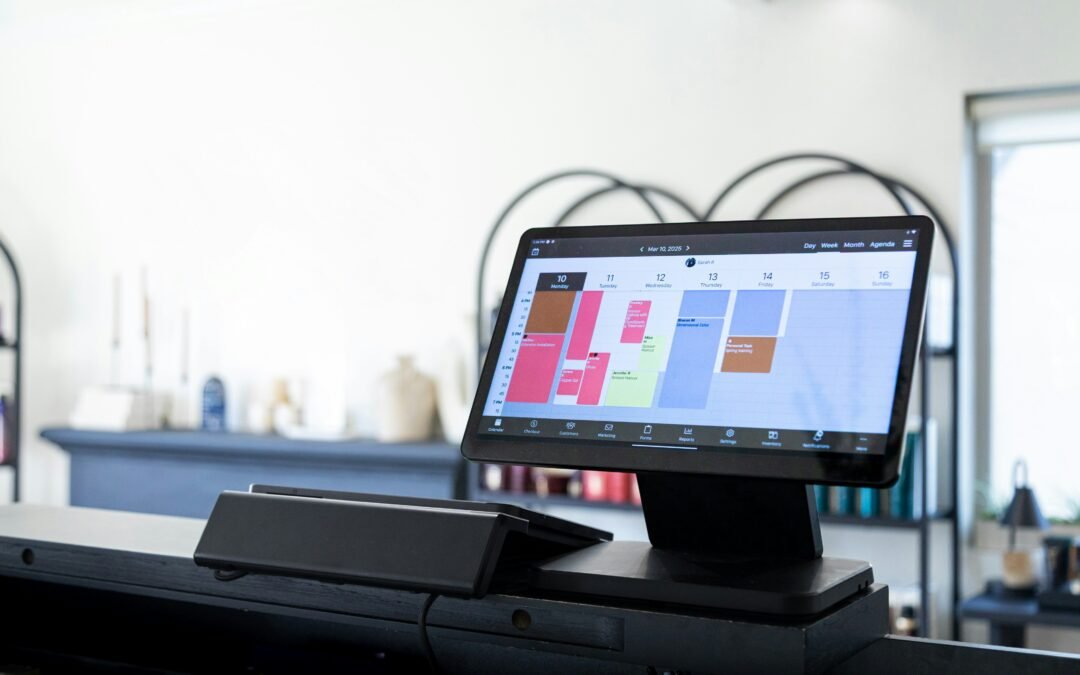
If your Non Profit Organization needs some Digital Assistance, then we are available and can be reached by clicking here. The image is courtesy of Vagaro.

JDS WebDesign is a Web Design and Brand Marketing Agency located in Marietta, Georgia. We create AWESOME on line presence for Start-ups and Influential People/Organizations. To learn more about us or how we can help you and your organization, you can contact us or schedule a meeting.
Join our mailing list to keep up with JDS WebDesign and find get tutorials and information about how to improve your website or business.
[et_bloom_inline optin_id="optin_3"]
Get Your Mobile Application TODAY!!!
Unlock your next state of growth. Mobile applications that change minds & deliver more!!!
CLICK THE RED BUTTON BELOW TO GET STARTED!!!