
The Savage Mentality: A Game-Changer for Entrepreneurs in the Creative Field
In the world of entrepreneurship, particularly in the creative field, talent alone isn’t enough. Vision, originality, and passion are crucial—but they’re not the whole picture. If you’re building a business around your creativity, you’re playing a high-stakes game where competition is fierce, failure is common, and the rules are often unwritten. In this arena, developing a savage mentality can be the difference between staying stuck in potential and realizing greatness.
This isn’t about aggression or ruthlessness in the traditional sense. The savage mentality is about unrelenting focus, resilience, strategic boldness, and a willingness to push through adversity with fire and intent. It’s about the mindset that refuses to settle, refuses to be outworked, and never lets rejection be the final answer.
Let’s break down what this mentality means and how it can elevate your journey as a creative entrepreneur.
1. What Is the Savage Mentality?
At its core, the savage mentality is a psychological framework centered on relentless execution, emotional control, and extreme ownership. It’s the ability to pursue your vision with intensity, regardless of obstacles or opinions.
For creative entrepreneurs—artists, designers, writers, filmmakers, musicians, content creators, and innovators—this mentality is not just useful; it’s essential. You’re not just selling a product; you’re selling a piece of yourself. That emotional investment makes the journey deeply rewarding but also highly vulnerable.
The savage mentality helps counterbalance that vulnerability. It keeps you grounded, driven, and mentally agile—even when you’re doubting yourself, facing rejection, or navigating financial uncertainty.
2. Why Creative Entrepreneurs Need It Most
Creatives often face unique entrepreneurial challenges:
- Subjective value: Your work is evaluated based on taste, trends, and perception.
- High rejection rate: Not everyone will resonate with your vision.
- Imposter syndrome: When your identity is tied to your work, self-doubt hits harder.
- Burnout risk: Passion-driven work blurs the lines between labor and leisure.
These realities require not only emotional endurance but a mindset that thrives under pressure.
A savage creative entrepreneur doesn’t rely on external validation. They keep moving when feedback is quiet. They pivot instead of pause when strategies fail. They are fiercely committed to growth—personally, creatively, and financially.
3. Key Components of the Savage Mentality
A. Unapologetic Clarity
You must know what you want and why it matters—without flinching. Savage entrepreneurs don’t entertain vague dreams. They write down goals, track metrics, and align actions with outcomes. Clarity creates confidence, and confidence creates momentum.
Ask yourself: Are you building a brand or a hobby? Are you seeking clients or applause? Are you chasing recognition or creating legacy?
Get clear. Get specific. Then get savage in your pursuit.
B. Relentless Discipline
Creativity without discipline leads to chaos. Consistency in output, communication, marketing, and client service builds trust and authority.
Discipline means:
- Showing up even when you’re uninspired.
- Editing until it’s clean, not just good enough.
- Keeping promises to your audience and yourself.
Savage creatives know that habits outlast motivation. They build routines, time-block for deep work, and treat their business like a profession—not a side hustle.
C. Tactical Emotional Resilience
Entrepreneurship is a mental game as much as it is a strategic one. Rejection, failure, slow seasons, and self-doubt are inevitable.
Savage mentality doesn’t mean you don’t feel—it means you don’t fold.
Train your mind to respond instead of react:
- Use criticism to refine, not retreat.
- Turn envy into energy.
- Transform fear into focus.
Emotional discipline is not about suppression; it’s about channeling emotion into productive momentum.
D. Ruthless Time Protection
If you’re not in control of your time, someone else is. Savage entrepreneurs guard their calendars like their lives depend on it—because they do. Every hour wasted is momentum lost.
This means:
- Saying no more often.
- Automating what doesn’t need your touch.
- Delegating what isn’t your genius.
- Working in sprints, not slogs.
Busyness isn’t a badge of honor. Results are.
E. Strategic Risk-Taking
Playing it safe rarely leads to breakthrough. Savage creatives are willing to take calculated risks—whether that means launching before they’re ready, raising their prices, investing in advertising, or switching business models.
They know that comfort is the enemy of growth. They act, test, learn, and adjust. Repeatedly.
4. Shifting from Victim to Warrior
Creative entrepreneurs are especially prone to “victim thinking”: blaming algorithms, lack of support, saturated markets, or bad timing.
The savage mentality kills excuses.
It asks: What can I control? What can I improve? What can I try next?
This isn’t about ignoring systemic barriers or pretending the road is easy. It’s about choosing your response. Savage creatives take full responsibility for their path—and that empowerment becomes their superpower.
5. Real-World Application: How to Cultivate the Savage Mentality
1. Start your day with a mission
Don’t drift into your workday. Start with clarity:
- What are the three non-negotiable tasks for today?
- What actions directly serve your long-term vision?
Savage creatives don’t scroll aimlessly in the morning—they strike with intent.
2. Develop a performance mindset
Study your industry. Refine your craft. Track your numbers.
Treat your art and your business like an athlete treats their body: constantly fine-tuned, never taken for granted.
3. Surround yourself with killers
Energy is contagious. If your circle is full of dreamers but not doers, your growth will stall. Find other savage-minded entrepreneurs. Join masterminds, accountability groups, or communities where action is the culture.
4. Learn to detach from outcomes
Obsess over process, not applause. Results will come—if you show up long enough. The savage mentality values iteration over instant success.
5. Take rest as seriously as hustle
Burnout kills creativity. Rest isn’t a reward—it’s a requirement for sustained excellence. Savage creatives know when to push and when to pause. Both are strategic moves.
6. Final Word: Savage Isn’t a Mood. It’s a Lifestyle.
You don’t wake up one day with a savage mentality. You build it. You earn it. Through discipline, through mindset, through the repetition of hard things done well.
Being a creative entrepreneur means navigating ambiguity, criticism, and financial risk—all while producing work that moves people. That’s not easy. But if you can blend creative brilliance with ruthless execution and fierce resilience, you become unstoppable.
The savage mentality isn’t about becoming someone you’re not. It’s about fully becoming who you were meant to be—without apology, without delay, and without permission.
So keep creating. Keep building. But more than anything, keep going.
Because the savage wins—not just by talent, but by tenacity.
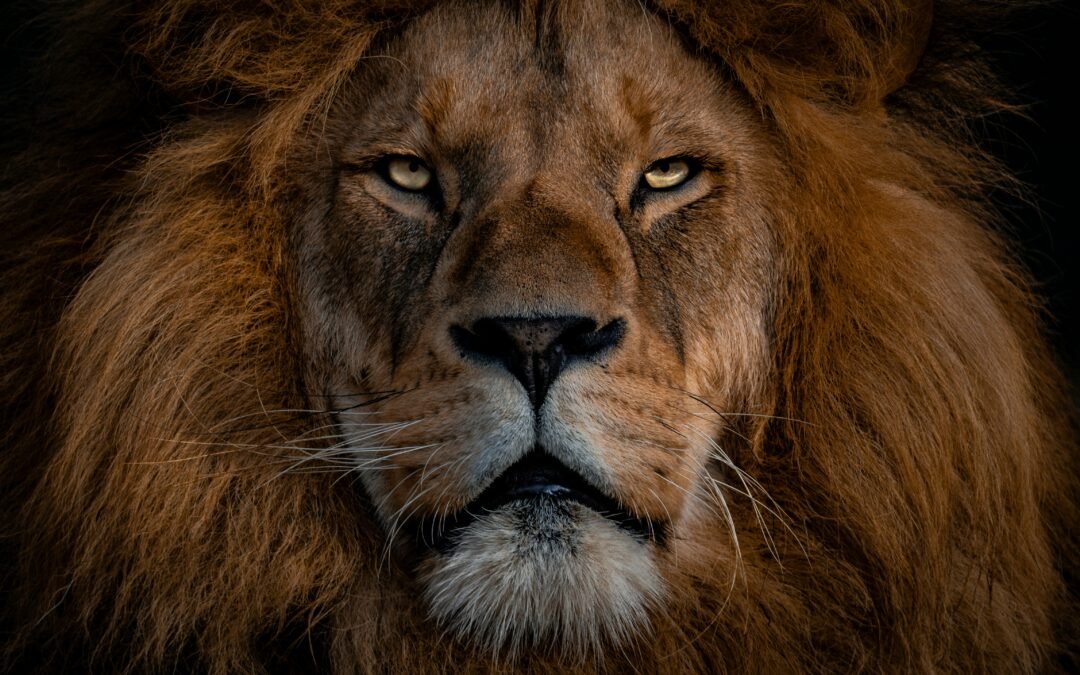
The image is courtesy of Ingo Stiller.

JDS WebDesign is a Web Design and Brand Marketing Agency located in Marietta, Georgia. We create AWESOME on line presence for Start-ups and Influential People/Organizations. To learn more about us or how we can help you and your organization, you can contact us or schedule a meeting.
Join our mailing list to keep up with JDS WebDesign and find get tutorials and information about how to improve your website or business.
[et_bloom_inline optin_id="optin_3"]
Get Your Mobile Application TODAY!!!
Unlock your next state of growth. Mobile applications that change minds & deliver more!!!
CLICK THE RED BUTTON BELOW TO GET STARTED!!!