
Shopify vs Amazon: Which is Best for Nonprofit Organizations?
In today’s digital age, nonprofits are increasingly exploring e-commerce platforms to boost fundraising, sell merchandise, expand awareness, and diversify revenue streams. Two major contenders often top the list: Shopify and Amazon. While both platforms offer powerful tools for reaching supporters and generating income, they differ significantly in structure, audience, flexibility, and long-term strategy.
This guide dives into a detailed comparison of Shopify vs Amazon for nonprofit organizations — examining fees, customization, brand control, donor experience, fulfillment options, technical requirements, and more — to help your organization make an informed decision.
Why E-Commerce Matters for Nonprofits
Before we compare platforms, it’s worth addressing why nonprofits should consider e-commerce in the first place.
Traditionally, nonprofits have relied on:
-
Individual donors
-
Grant funding
-
Events and sponsorships
-
Auctions and galas
However, relying solely on these can be limiting — especially in fluctuating economic climates. E-commerce opens new opportunities:
✔ Sell branded merchandise (e.g., T-shirts, books, reusable bottles)
✔ Offer digital products (e-books, webinars, guides)
✔ Create recurring income through memberships or subscriptions
✔ Add an online shop to fundraising campaigns
✔ Reach global audiences beyond local supporters
But choosing the right online marketplace or platform matters. The differences between Shopify and Amazon are more than just interface or fees; they reflect fundamentally distinct approaches to selling online.
Shopify vs Amazon: The Head-to-Head Breakdown
To determine which platform is best for your nonprofit, we’ll compare Shopify and Amazon across key categories most relevant to mission-driven organizations.
1. Mission Alignment & Control
Shopify — Complete Brand Control
Shopify functions as a standalone e-commerce platform where you build and manage your own online store.
Pros:
-
Full design control: customize every part of your store
-
Align branding with mission, values, photography, colors, tone
-
Curate product pages to tell stories that inspire action
-
Integrate mission-focused content like blog posts, impact metrics, and donor testimonials
-
Seamless integration with your existing website
Cons:
-
You are responsible for traffic, discovery, and marketing
-
Must manage hosting, updates, plugins, and design (unless you hire support)
Best For: Organizations that want a branded supporter experience and mission-driven storytelling.
Amazon — Marketplace Convenience
Amazon’s marketplace connects you to an existing global audience.
Pros:
-
Instant access to millions of buyers
-
No need to build your own storefront
-
Buyers may discover products even without prior knowledge of your nonprofit
Cons:
-
Limited branding — all pages follow Amazon’s template
-
Harder to communicate your mission, impact, or values
-
Shoppers may buy products without connecting emotionally to your cause
Best For: Organizations focused on broad reach and volume sales, not brand narrative.
Verdict:
Shopify leads in mission-centric control and storytelling. Amazon excels in access and scale but sacrifices brand identity.
2. Cost & Fees
Understanding financial implications is critical for nonprofits, where budget constraints are real.
Shopify Fees
Shopify charges:
-
Monthly subscription (Basic, Shopify, Advanced tiers)
-
Credit card processing fees
-
App integrations (some may add recurring charges)
Monthly costs range (typical):
-
Basic: $39/month
-
Standard: $105/month
-
Advanced: $399/month
Benefits:
-
Transparent, predictable costs
-
No per-item marketplace fees
Drawbacks:
-
Upfront commitment required
-
Need to pay for apps or themes if desired
Amazon Fees
Amazon’s fee structure includes:
-
Referral fees (percentage of sale)
-
Fulfillment fees (if using FBA)
-
Monthly seller account fee (for professional plans)
-
Variable closing fees depending on category
Amazon can take 15–45% of the sale, which reduces the income available for mission programs.
Benefits:
-
No design or hosting costs
-
Pay primarily when you make a sale
Drawbacks:
-
Fees add up fast
-
Lower margins can reduce fundraising impact
Verdict:
Shopify generally offers greater cost efficiency and margin retention — crucial for nonprofit revenue goals — especially if you manage fulfillment yourself.
3. Branding & Supporter Engagement
Shopify
Shopify allows you to create:
-
Custom landing pages
-
Integrated blogs with mission stories
-
Impact dashboards showing outcomes
-
Email lists, pop-ups, donation prompts
Shopify stores act as a hub for engagement — not just transactions.
Amazon
Amazon’s branding limitations make it challenging to:
-
Embed storytelling
-
Add custom messaging
-
Encourage newsletter signups
-
Build a long-term supporter network
Amazon customers may buy once without ever learning who you are.
Verdict:
Shopify wins on supporter engagement and long-term relationship building.
4. Fulfillment & Logistics
Fulfillment can make or break your operation.
Shopify
With Shopify you can choose:
-
Self-fulfillment
-
Third-party logistics (3PL) providers
-
Print-on-demand services (great for nonprofits)
Pros:
-
Full control over packaging and inserts
-
Opportunity to personalize fulfillment with mission messages
-
Flexibility to manage your own flow
Cons:
-
Requires coordination
-
May need contracts with carriers
Amazon
Amazon’s Fulfilled By Amazon (FBA) takes care of:
-
Storage
-
Packaging
-
Shipping
-
Returns
Pros:
-
Simplifies operations
-
Fast delivery benefits from Prime eligibility
Cons:
-
Higher fees
-
Less control over packaging content
-
Returns and inventory costs can add complexity
Verdict:
Amazon wins for hands-off fulfillment ease, but Shopify excels for organizations that want customized supporter experiences.
5. Discovery & Marketing
Shopify
Marketing is 100% driven by your strategy.
Best practices include:
-
Social media ads
-
Email campaigns
-
Search engine optimization (SEO)
-
Collaborations and influencers
-
Google Shopping
Pros:
-
Full control over traffic sources
-
Can build owned audience
Cons:
-
Requires marketing skills and budget
Amazon
Amazon offers built-in exposure to:
-
Search inside marketplace
-
Sponsored product placements
-
Amazon Associates
Pros:
-
High discovery potential with relevant products
-
Lower barrier for shoppers to find your listings
Cons:
-
Discovery limited by Amazon’s algorithms
-
Mission messaging not prioritized
Verdict:
Amazon provides easier product discovery; Shopify offers more strategic control for nonprofits willing to invest in marketing.
6. Data Ownership & Insights
Shopify
You own:
-
Customer emails
-
Purchase history
-
Behavior analytics
-
Patterns to segment donors/supporters
This data can fuel:
-
CRM integration
-
Fundraising appeals
-
Retargeting campaigns
Amazon
Amazon restricts access to:
-
Buyer contact information
-
Customer preferences
-
Behavior outside of Amazon
Implications:
-
Harder to build a nonprofit’s owned audience
-
Less control over supporter segmentation
Verdict:
Shopify triumphs in data ownership — a huge advantage for nonprofits focused on long-term engagement.
7. Sustainability & Ethical Considerations
Nonprofits increasingly embrace socially responsible practices. Two issues to consider:
Shopify
-
Choose sustainable fulfillment partners
-
Align packaging with mission values
-
Communicate ethical practices directly to supporters
Amazon
-
Environmental concerns linked to packaging and shipping
-
Limited influence over Amazon’s corporate policies
-
Ethical questions about marketplace dynamics
Verdict:
Shopify offers greater alignment with sustainability strategies.
Real-World Examples: How Nonprofits Use These Platforms
Shopify Success Stories
-
Environmental Causes: Selling reusable products with mission statements and stories prominently featured.
-
Animal Welfare: Merch stores integrated into campaigns to fund rescue missions.
-
Arts & Culture: Branded merchandise tied to exhibits, performances, and ticket sales.
Key Benefit: Every purchase reinforces mission awareness and builds community.
Amazon Strategies for Nonprofits
Some nonprofits choose Amazon to:
-
Sell high-demand items or books
-
Leverage Amazon’s audience for volume
-
Use Amazon Smile (historically) — though Smile’s impact has diminished with changes in the program
Important Note: Amazon discontinued the broader AmazonSmile program in early 2025, which had previously allowed shoppers to donate a percentage of their purchases to nonprofits. This change has encouraged many organizations to explore alternative channels such as Shopify for controlled revenue streams. (This context reflects ongoing shifts in Amazon’s support for nonprofit fundraising.)
Which Is Best for Your Nonprofit? Decision Framework
Here’s a simple decision checklist:
Choose Shopify If:
✔ You want complete control over your brand
✔ Storytelling and mission engagement matter
✔ You want to build a supporter database
✔ You plan to integrate e-commerce with other digital strategies
✔ You are prepared to invest in marketing and fulfillment management
Choose Amazon If:
✔ You want fast access to a large consumer base
✔ You’re selling standard products with broad appeal
✔ Fulfillment simplicity is a priority
✔ Brand storytelling isn’t your top objective
Hybrid Approach: Best of Both Worlds
Many nonprofits use both Shopify and Amazon strategically:
Shopify: Central sales hub for branded merchandise, special fundraising products, and mission stories
Amazon: Secondary marketplace for textbooks, best-sellers, or products with wider consumer appeal
This hybrid model can balance brand engagement with discovery.
Tips for a Hybrid Strategy:
-
Link your Amazon listings back to your Shopify store
-
Use QR codes on Amazon packaging to drive supporters to your website
-
Offer exclusive products only on your Shopify site
-
Use consistent imagery and language across both platforms
Practical Setup Tips for Nonprofits
For Shopify:
-
Use themes that reflect your mission.
-
Add an “Impact” page explaining how purchases help your cause.
-
Bundle products as fundraising campaigns.
-
Integrate email capture forms and newsletters.
-
Track performance with analytics.
For Amazon:
-
Optimize product titles and descriptions with keywords.
-
Use high-quality images.
-
Consider FBA for fast shipping.
-
Monitor inventory to avoid stockouts.
-
Respond to customer reviews professionally.
Common Mistakes Nonprofits Make (And How to Avoid Them)
❌ Choosing Amazon without a brand strategy
Solution: Define your brand voice and mission before listing.
❌ Launching Shopify without a marketing plan
Solution: Build a launch calendar with social, email, and paid ads.
❌ Ignoring customer data
Solution: Prioritize platforms that allow you to own contact lists.
❌ Underestimating fulfillment costs
Solution: Compare self-fulfillment vs 3PL vs print-on-demand.
Final Verdict
There’s no absolute “winner” between Shopify and Amazon — only what is best for your nonprofit’s mission and strategy.
| Criteria | Shopify | Amazon |
|---|---|---|
| Brand Control | ⭐⭐⭐⭐⭐ | ⭐⭐ |
| Mission Visibility | ⭐⭐⭐⭐⭐ | ⭐ |
| Fees & Margin | ⭐⭐⭐⭐ | ⭐⭐ |
| Supporter Data | ⭐⭐⭐⭐⭐ | ⭐ |
| Ease of Setup | ⭐⭐⭐ | ⭐⭐⭐⭐ |
| Marketplace Reach | ⭐⭐ | ⭐⭐⭐⭐ |
| Fulfillment Ease | ⭐⭐ | ⭐⭐⭐⭐ |
Overall Recommendation: For nonprofits focused on mission-driven engagement, brand loyalty, and long-term audience building, Shopify is typically the better choice. Amazon can supplement as a secondary sales channel but should not replace a platform where you own your supporter experience.
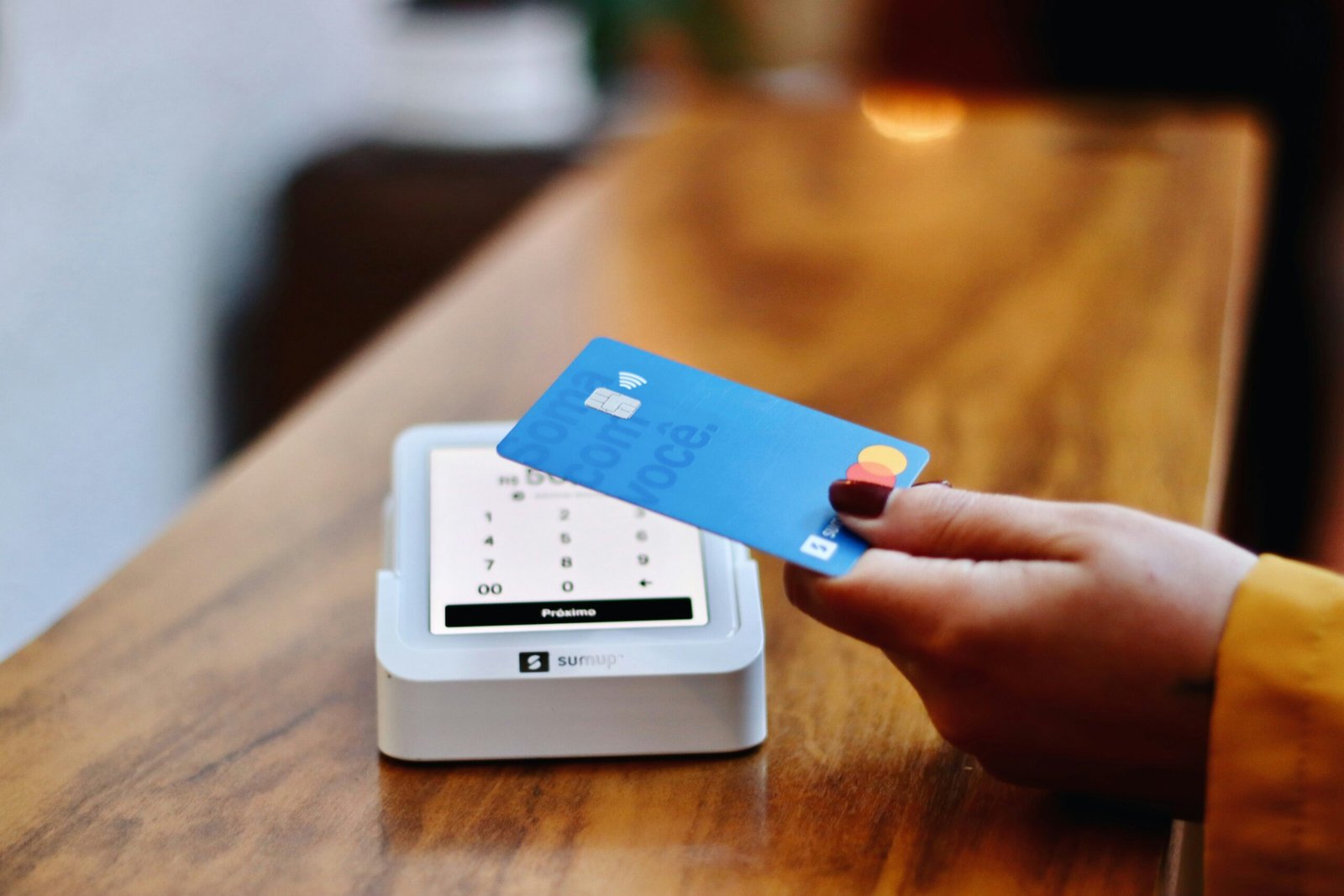
If your organization needs some assistance, then we are available and can be reached by clicking here. The image is courtesy of Nathana Rebouças.

JDS WebDesign is a Web Design and Brand Marketing Agency located in Marietta, Georgia. We create AWESOME on line presence for Start-ups and Influential People/Organizations. To learn more about us or how we can help you and your organization, you can contact us or schedule a meeting.
Join our mailing list to keep up with JDS WebDesign and find get tutorials and information about how to improve your website or business.
[et_bloom_inline optin_id="optin_3"]
Get Your Mobile Application TODAY!!!
Unlock your next state of growth. Mobile applications that change minds & deliver more!!!
CLICK THE RED BUTTON BELOW TO GET STARTED!!!