
Non Profit 101: Which AI Tools Should Be a Part of Your Online Activities?
Artificial intelligence (AI) is no longer a futuristic concept—it’s here, accessible, and transforming the way nonprofits connect with donors, manage operations, and fulfill their missions. While nonprofits often operate with limited budgets and staff, AI tools can dramatically increase efficiency, improve engagement, and enhance data-driven decision-making. The key is knowing which tools fit your organization’s unique needs.
This guide will explore how nonprofits can use AI across key areas of their online activities—fundraising, marketing, communications, content creation, data management, and volunteer engagement—and which tools can help you do it effectively.
1. The Power of AI in the Nonprofit World
Nonprofits face a familiar challenge: doing more with less. Limited staff, tight budgets, and increasing community needs mean that efficiency is essential. AI can help bridge that gap by automating repetitive tasks, analyzing vast amounts of data, and personalizing interactions at scale.
AI is not meant to replace human compassion or creativity—it’s meant to amplify them. Whether you’re improving donor retention, crafting better messages, or optimizing your website’s performance, AI gives you the insights and automation to spend more time on what really matters: your mission.
2. AI for Fundraising and Donor Management
Fundraising is the lifeblood of most nonprofits. Fortunately, AI tools can streamline donor research, automate outreach, and even predict which supporters are most likely to give.
Recommended Tools
1. Fundraising.ai
A platform designed specifically for nonprofits, Fundraising.ai uses predictive analytics to identify donor trends, optimize campaigns, and help you retain donors more effectively. It integrates with major CRM systems to give you actionable insights on when and how to reach out.
2. Gravyty
Gravyty leverages AI to create personalized donor outreach messages, helping fundraising teams scale their efforts. Instead of generic emails, you can send data-informed, emotionally resonant communications that drive engagement.
3. DonorSearch Ai
This tool uses AI to enhance prospect research, combining philanthropic, wealth, and demographic data to identify high-potential donors. It’s especially useful for major gift strategies and planned giving programs.
How It Helps
- Predicts donor churn and suggests retention strategies.
- Personalizes outreach with tailored messaging.
- Optimizes fundraising campaigns through data-driven insights.
3. AI for Marketing and Outreach
Effective marketing is about reaching the right audience, at the right time, with the right message. AI makes that process smarter and faster.
Recommended Tools
1. HubSpot (with AI Enhancements)
HubSpot’s marketing automation now integrates AI to create better content, automate social media scheduling, and segment your audience based on engagement data. Nonprofits can use it to nurture leads or donors across email and social channels.
2. Jasper AI
Jasper is an AI writing assistant that can generate donor appeal emails, social posts, or blog content in seconds. It helps maintain a consistent brand voice and saves time on content creation, allowing small teams to produce high-quality copy at scale.
3. Canva Magic Studio
Canva’s new AI features, such as Magic Write and Magic Design, let you instantly create beautiful visuals, presentations, and videos. For nonprofits, this means professional-quality designs without hiring a graphic designer.
How It Helps
- Automates repetitive marketing tasks.
- Generates creative visuals and messaging instantly.
- Analyzes campaign performance for better ROI.
4. AI for Communication and Engagement
Nonprofits thrive on strong communication—whether with donors, volunteers, or the communities they serve. AI-driven chatbots and communication tools make engagement easier and more responsive.
Recommended Tools
1. Manychat
An AI chatbot platform that integrates with Facebook Messenger, WhatsApp, and Instagram. Nonprofits can use it to handle FAQs, register volunteers, or share event details automatically.
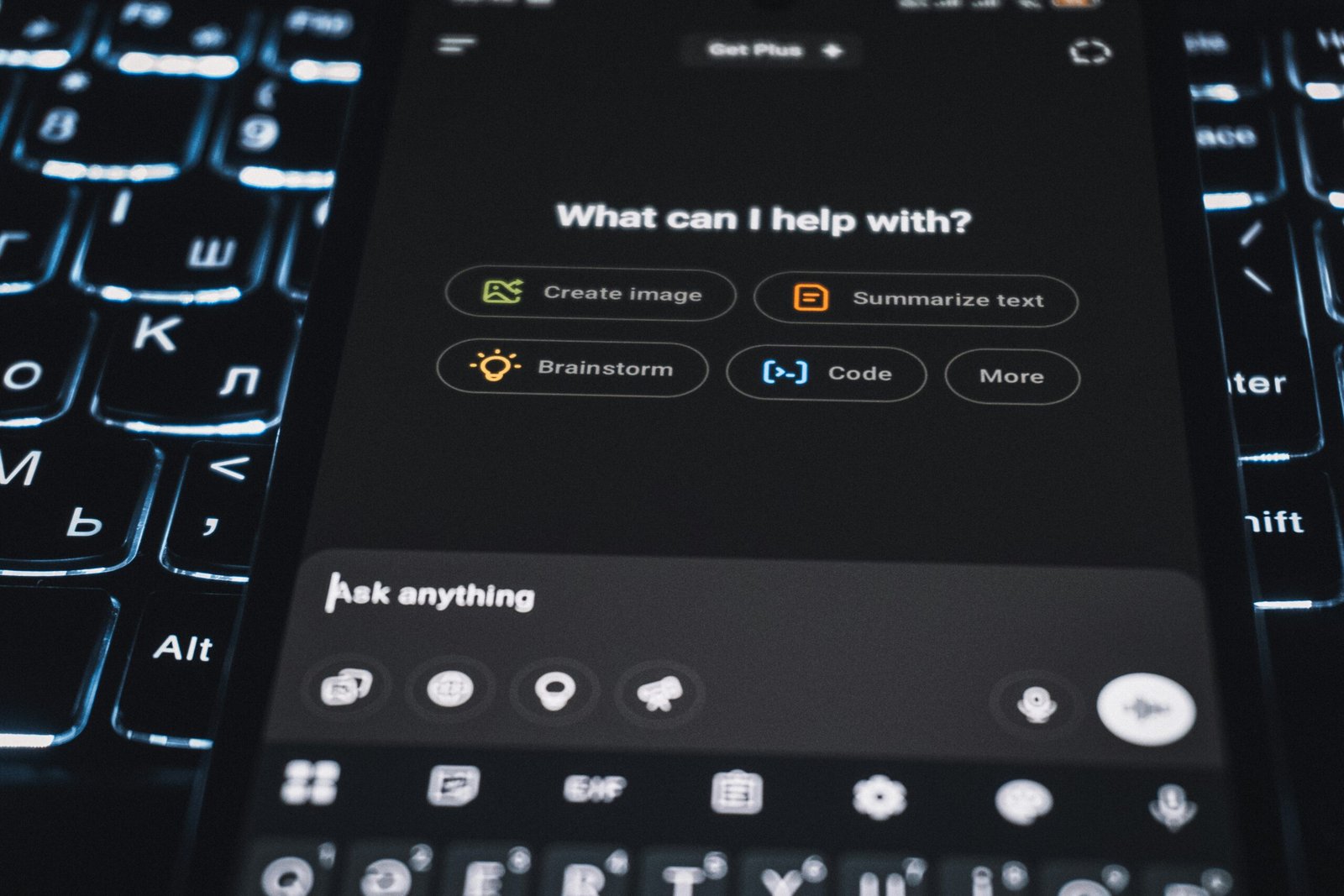
2. ChatGPT (by OpenAI)
ChatGPT is one of the most versatile tools available. It can help you draft newsletters, grant proposals, or volunteer scripts, and even respond to supporter questions in real time when embedded into your site or CRM.
3. Drift
Drift uses conversational AI to manage live chat and email follow-ups. For nonprofits, this means quicker responses to donor inquiries and fewer missed engagement opportunities.
How It Helps
- Improves responsiveness on digital platforms.
- Personalizes supporter interactions at scale.
- Reduces manual communication workload.
5. AI for Data Management and Analytics
Data is the compass of modern nonprofits—but making sense of it is another challenge. AI tools can turn raw numbers into actionable insights that improve decision-making.
Recommended Tools
1. Google Analytics 4 (GA4)
Google’s latest analytics platform uses AI-driven insights to understand user behavior across your website. You can track donation flow, engagement trends, and which pages convert visitors into supporters.
2. Power BI or Tableau
These visualization tools use AI to turn complex data into easy-to-read dashboards. They can integrate donation data, volunteer activity, and campaign performance for a comprehensive overview of your impact.
3. ChatGPT with Data Analysis Plug-ins
With AI-enhanced data analysis, you can upload reports or spreadsheets and ask natural-language questions like “Which campaign performed best this quarter?”—saving time and improving accuracy.
How It Helps
- Makes sense of large data sets quickly.
- Identifies donor patterns and campaign performance.
- Simplifies reporting for boards and stakeholders.
6. AI for Content Creation
Nonprofits must constantly produce fresh, meaningful content to stay relevant—blogs, videos, newsletters, and social media updates. AI helps you keep up without burning out your team.
Recommended Tools
1. ChatGPT or Claude
These AI writers can generate blog posts, scripts, and reports with your organization’s tone in mind. They’re ideal for first drafts or idea generation.
2. Pictory
Pictory uses AI to transform written content into engaging short videos—perfect for social media storytelling or campaign recaps.
3. Descript
For nonprofits doing podcasts, webinars, or video storytelling, Descript automates transcription, editing, and even voice cloning. It’s a time-saving tool for small communications teams.
4. GrammarlyGO
This AI-powered writing assistant ensures your communications are polished, persuasive, and on-brand.
How It Helps
- Reduces time spent drafting and editing.
- Converts text into multimedia content.
- Ensures professional, error-free communications.
7. AI for Volunteer Recruitment and Management
Recruiting and managing volunteers can be a logistical headache. AI tools can automate outreach, scheduling, and engagement tracking—so you can focus on the human side of volunteer work.
Recommended Tools
1. Volgistics + Zapier
Volgistics manages volunteer scheduling, while Zapier connects it with AI tools like ChatGPT for automated communications or reminders.
2. Monday.com + AI Automations
This project management tool now includes AI features to assign tasks, summarize updates, and track project timelines automatically.
3. Breezy HR or Workable (for volunteer applications)
These platforms use AI to screen applicants, schedule interviews, and streamline onboarding—ideal for large volunteer programs.
How It Helps
- Simplifies volunteer onboarding and coordination.
- Automates communication and follow-ups.
- Tracks volunteer impact efficiently.
8. AI for Accessibility and Inclusion
AI isn’t just about efficiency—it’s about expanding your reach. Accessibility tools ensure your digital platforms welcome everyone, regardless of ability.
Recommended Tools
1. AccessiBe
An AI-powered accessibility solution that automatically adjusts your website to meet ADA and WCAG compliance standards.
2. Otter.ai
Creates live transcripts of meetings, webinars, or events—ensuring that hearing-impaired audiences can stay engaged.
3. Microsoft’s Seeing AI
Helps visually impaired users by describing text, scenes, and people—perfect for creating more inclusive content experiences.
How It Helps
- Ensures inclusivity in digital communications.
- Improves compliance with accessibility laws.
- Expands audience reach and engagement.
9. Ethics and Caution: Using AI Responsibly
While AI offers incredible benefits, nonprofits must use it ethically and transparently. Here are a few principles to follow:
- Be Transparent: If you use AI for donor communications or content creation, disclose it when appropriate.
- Protect Data: Choose tools with strong privacy protections and data compliance standards.
- Maintain Human Oversight: AI should assist, not replace, human decision-making.
- Avoid Bias: Review AI-generated outputs for fairness and inclusivity, especially in donor targeting or hiring tools.
Ethical AI use builds trust—a cornerstone of every successful nonprofit relationship.
10. Getting Started: Building an AI Toolkit for Your Nonprofit
If you’re just beginning, start small. Identify your biggest pain point—whether it’s fundraising, content creation, or donor management—and test one AI solution in that area.
Step-by-step approach:
- Audit your current workflow — What takes the most time?
- Select one AI tool — Choose something that solves a specific problem.
- Train your team — Encourage adoption through internal training.
- Measure the results — Track time saved, engagement gained, or donations increased.
- Expand gradually — Layer on more tools as your comfort grows.
The best AI stack is one that aligns with your mission and enhances your human capacity—not one that overwhelms your operations.
Final Thoughts
Artificial intelligence isn’t just for big corporations or tech startups—it’s for every organization striving to make a bigger impact. For nonprofits, AI represents a game-changing opportunity to stretch limited resources, connect more deeply with supporters, and tell your story more powerfully than ever before.
By thoughtfully adopting the right AI tools, your nonprofit can modernize its online presence, enhance productivity, and strengthen relationships—all while staying true to its mission.
So, start exploring. The right AI partner could be the key to amplifying your nonprofit’s voice in a digital-first world. If your organization needs some assistance, then we are available and can be reached by clicking here. The image is courtesy of Zulfugar Karimov.

JDS WebDesign is a Web Design and Brand Marketing Agency located in Marietta, Georgia. We create AWESOME on line presence for Start-ups and Influential People/Organizations. To learn more about us or how we can help you and your organization, you can contact us or schedule a meeting.
Join our mailing list to keep up with JDS WebDesign and find get tutorials and information about how to improve your website or business.
[et_bloom_inline optin_id="optin_3"]
Get Your Mobile Application TODAY!!!
Unlock your next state of growth. Mobile applications that change minds & deliver more!!!
CLICK THE RED BUTTON BELOW TO GET STARTED!!!