
SEO vs. Pay-Per-Click Advertising: Which One Should You Choose?
When it comes to digital marketing, one of the most common questions business owners face is: Should I invest in SEO or pay-per-click (PPC) advertising?
Both strategies aim to increase visibility, drive traffic, and generate leads, but they take very different approaches. Choosing between SEO and PPC often depends on your goals, budget, and timeline. In this post, we’ll dive deep into the differences, advantages, and drawbacks of each strategy—and help you decide which one might be right for your organization.
Understanding the Basics
What is SEO?
Search Engine Optimization (SEO) is the practice of improving your website to rank higher in search engine results pages (SERPs) organically. Unlike paid advertising, you don’t pay Google or Bing directly for your placement. Instead, you invest in optimizing your site’s content, structure, and authority to earn visibility over time.
Key SEO components include:
-
On-page optimization (keywords, meta tags, internal links, content quality).
-
Technical SEO (site speed, mobile responsiveness, structured data, indexability).
-
Off-page SEO (backlinks, social signals, brand mentions).
-
Content strategy (blogs, guides, videos, case studies).
The goal of SEO is long-term visibility and sustained growth in organic traffic.
What is PPC?
Pay-per-click (PPC) advertising is a model where businesses pay for traffic by bidding on specific keywords. When users search those terms, your ad may appear at the top of the results page. Each time someone clicks, you pay a fee.
The most popular PPC platforms include:
-
Google Ads (Search, Display, YouTube).
-
Bing Ads.
-
Social Media Ads (Facebook, Instagram, LinkedIn, TikTok).
PPC offers immediate visibility and measurable ROI, making it an attractive option for businesses needing fast results.
SEO: Advantages and Drawbacks
Advantages of SEO
-
Long-Term ROI
Once you rank, traffic from SEO is essentially free (outside of content and optimization costs). A single blog post or page can generate traffic for months or even years. -
Builds Credibility and Trust
Users often trust organic results more than ads. Ranking high organically signals authority, expertise, and relevance. -
Sustainable Growth
Unlike ads that stop when the budget runs out, SEO builds a foundation that compounds over time. -
Higher Click-Through Rates (CTR)
Studies show that organic listings generally receive more clicks than paid ads, especially for informational searches.
Drawbacks of SEO
-
Time-Consuming
SEO is a marathon, not a sprint. It can take 3–6 months (or longer) to see meaningful results. -
High Competition
Ranking for competitive keywords can be difficult, especially if you’re competing against large, established brands. -
Constant Algorithm Updates
Search engines frequently update their algorithms, which means your rankings can fluctuate. -
Upfront Investment in Content and Optimization
Creating high-quality content and maintaining technical SEO requires time, expertise, and often professional help.
PPC: Advantages and Drawbacks
Advantages of PPC
-
Immediate Visibility
With PPC, your ad can appear at the top of Google the same day your campaign launches. Perfect for product launches, events, or promotions. -
Highly Targeted Campaigns
You can target by demographics, location, device, search intent, and even retarget visitors who previously interacted with your brand. -
Scalable and Flexible
Increase or decrease your budget instantly. Test multiple ads, landing pages, and keywords quickly. -
Measurable ROI
PPC platforms provide robust analytics, allowing you to track conversions, costs, and performance in real time.
Drawbacks of PPC
-
Cost Can Add Up Quickly
Depending on your industry, cost-per-click (CPC) can be high. For example, legal or insurance keywords can cost $50+ per click. -
Short-Term Results
Once you stop paying, your visibility disappears. Unlike SEO, PPC doesn’t provide lasting benefits. -
Ad Blindness
Many users scroll past ads, preferring organic results. This can lower click-through rates compared to strong SEO. -
Learning Curve
Poorly managed campaigns can waste significant budget. PPC requires strategy, testing, and often professional management.
When to Choose SEO
SEO is best when you:
-
Have a long-term growth strategy.
-
Want to build authority and credibility in your industry.
-
Can invest in content creation and optimization consistently.
-
Are targeting keywords with evergreen demand (topics that won’t go out of style soon).
-
Want to reduce reliance on ad spend over time.
Example: A local non-profit that wants to educate and attract donors may benefit from publishing SEO-optimized guides, stories, and resources that rank organically.
When to Choose PPC
PPC is best when you:
-
Need immediate traffic and leads.
-
Have a time-sensitive promotion, product launch, or event.
-
Want to test market demand before investing in long-term SEO.
-
Are in a highly competitive industry where organic rankings are too difficult to achieve quickly.
-
Need precise targeting and remarketing to reach specific audiences.
Example: An e-commerce business running a holiday sale would benefit more from PPC ads that appear instantly for “best Christmas gifts 2025” than waiting months for SEO to rank.
SEO + PPC: A Combined Approach
Here’s the truth: The best strategy isn’t SEO or PPC—it’s SEO and PPC.
A blended approach allows you to:
-
Cover short-term and long-term goals. Use PPC for immediate leads while building SEO for sustainable growth.
-
Dominate SERPs. Having both ads and organic rankings increases visibility and brand authority.
-
Leverage data. PPC keyword data can guide your SEO content strategy.
-
Test quickly. PPC can validate which keywords convert before you invest in long-term SEO targeting.
For example, a business might launch PPC ads for new products while simultaneously creating SEO-focused blog content that targets the same keywords. Over time, SEO takes over as the primary traffic driver, reducing dependency on ads.
Key Questions to Ask Before Deciding
-
What is your budget?
-
Limited budget = SEO might be a better long-term play.
-
Flexible budget = PPC can deliver faster results while SEO builds.
-
-
What is your timeline?
-
Need results in weeks? → PPC.
-
Willing to invest in growth over months or years? → SEO.
-
-
What is your industry like?
-
High CPC industries (law, finance) may favor SEO.
-
Seasonal or trend-driven industries (fashion, e-commerce) may benefit from PPC.
-
-
What are your goals?
-
Brand authority and trust → SEO.
-
Immediate sales and measurable ROI → PPC.
-
Final Thoughts
So, SEO vs. PPC—which one should you choose?
The answer isn’t one-size-fits-all. SEO is a long-term investment in sustainable growth, while PPC is a fast, flexible tool for generating immediate results. If possible, a hybrid strategy that leverages the strengths of both is often the most powerful approach. By understanding your business goals, audience, timeline, and budget, you can choose the right balance of SEO and PPC to maximize visibility, traffic, and revenue.
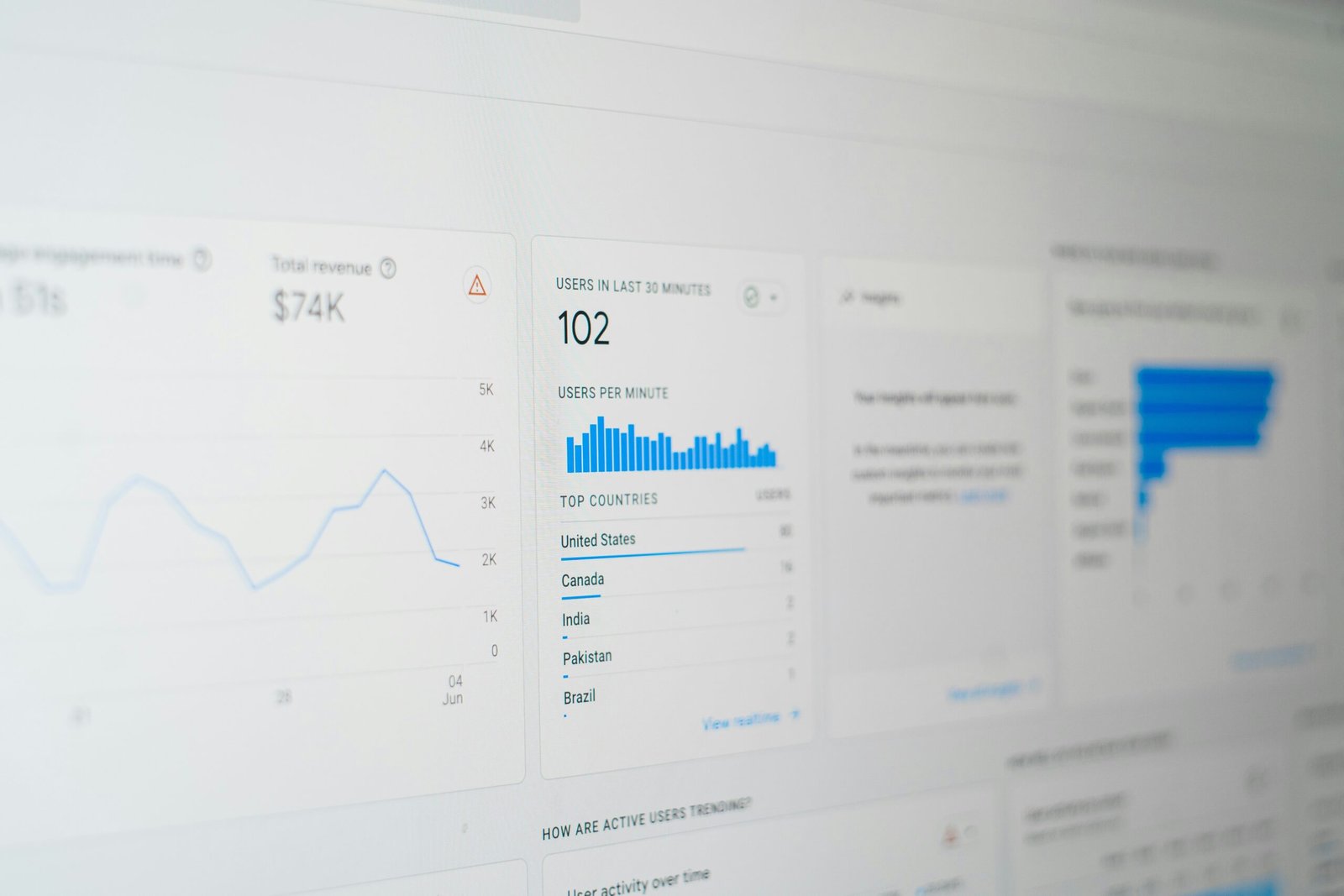
In the digital world, visibility is everything. Whether you’re climbing the organic ranks through SEO or securing top placements with PPC ads, the key is to stay strategic, agile, and customer-focused. If your organization needs some SEO assistance, then we are available and can be reached by clicking here. The image is courtesy of 1981 Digital.

JDS WebDesign is a Web Design and Brand Marketing Agency located in Marietta, Georgia. We create AWESOME on line presence for Start-ups and Influential People/Organizations. To learn more about us or how we can help you and your organization, you can contact us or schedule a meeting.
Join our mailing list to keep up with JDS WebDesign and find get tutorials and information about how to improve your website or business.
[et_bloom_inline optin_id="optin_3"]
Get Your Mobile Application TODAY!!!
Unlock your next state of growth. Mobile applications that change minds & deliver more!!!
CLICK THE RED BUTTON BELOW TO GET STARTED!!!