
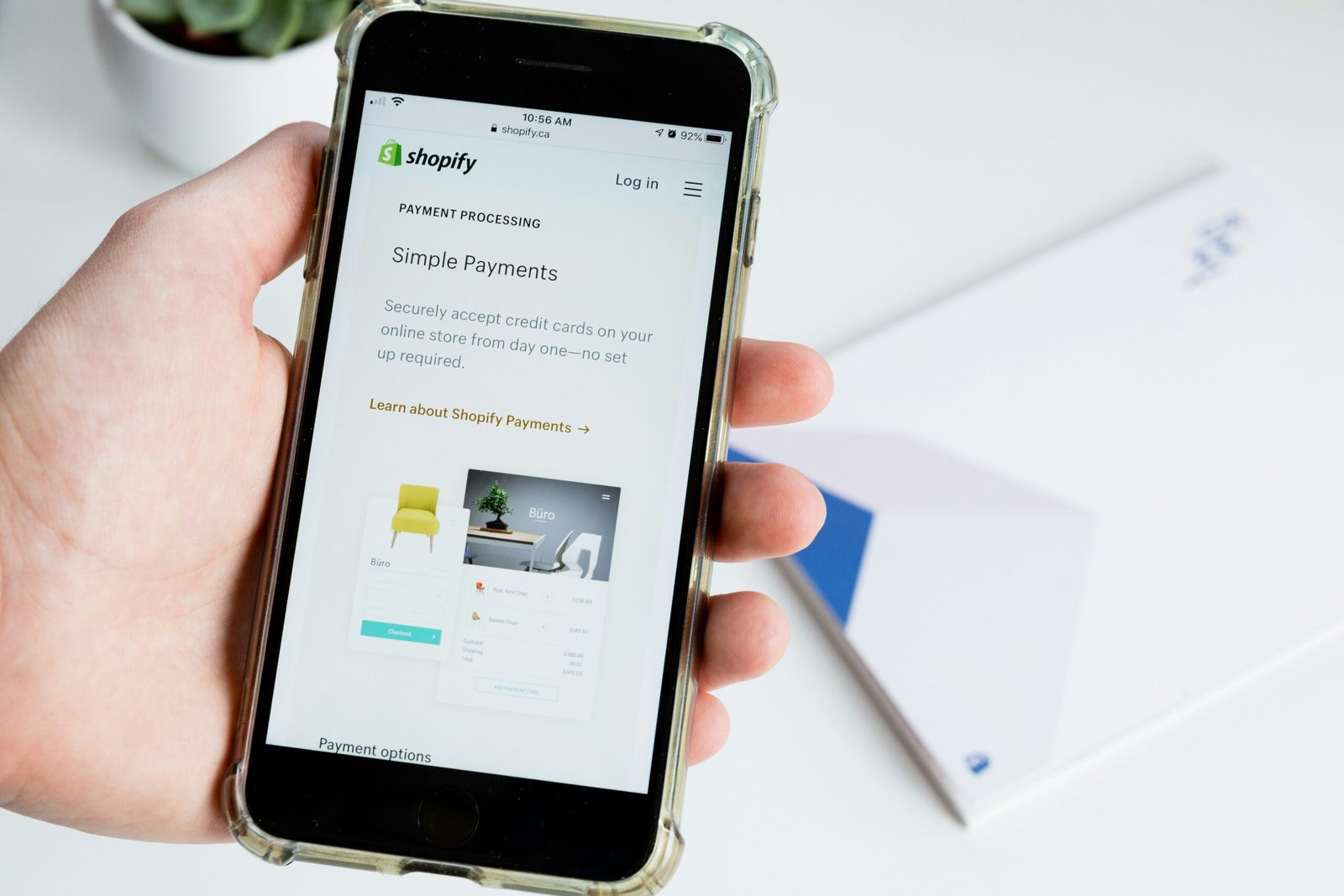
What is Shopify SEO: The Ultimate Guide?
Search Engine Optimization (SEO) is one of the most powerful digital marketing strategies available to eCommerce businesses today. For Shopify store owners, understanding and implementing SEO can mean the difference between being buried on page ten of Google or ranking on the first page for highly profitable keywords.
If you’re running a Shopify store and want to boost visibility, attract organic traffic, and drive more sales without paying for ads every day, this guide is for you. In this ultimate guide, we’ll cover everything you need to know about Shopify SEO—from what it is, why it matters, and the exact strategies you can implement to grow your store sustainably.
What is Shopify SEO?
Shopify SEO refers to the process of optimizing your Shopify store to improve its visibility in search engine results pages (SERPs). Unlike paid advertising, SEO focuses on earning organic rankings by optimizing your site structure, product pages, blog content, and technical performance so that search engines like Google can better understand, crawl, and rank your site.
While Shopify provides many built-in SEO-friendly features (such as mobile responsiveness and fast loading speeds), it still requires customization and ongoing optimization to truly stand out.
Why is SEO Important for Shopify Stores?
Running a Shopify store often comes with intense competition. Regardless of your niche, there are likely dozens—or even hundreds—of similar stores selling comparable products. Without SEO, your potential customers may never even find you.
Here’s why SEO is crucial for Shopify:
- Long-Term ROI – Unlike ads, SEO continues to generate traffic over time without continuous spending.
- Higher Visibility – Ranking higher in search results builds brand trust and awareness.
- Better User Experience – SEO improves navigation, site speed, and mobile usability, all of which benefit customers.
- Increased Conversions – Users coming from organic search tend to have higher purchase intent.
- Competitive Advantage – Optimized stores consistently outrank competitors who ignore SEO.
Key Elements of Shopify SEO
To master Shopify SEO, you need to understand the core components that influence rankings. Let’s break them down:
1. Keyword Research
Keywords are the foundation of SEO. They represent what users type into Google when searching for products. For Shopify stores, you’ll need both transactional keywords (e.g., “buy leather backpack online”) and informational keywords (e.g., “how to clean a leather backpack”).
- Use tools like Google Keyword Planner, Ahrefs, or Ubersuggest to discover relevant terms.
- Look for long-tail keywords with lower competition but higher conversion potential.
- Incorporate keywords naturally into product titles, descriptions, blog posts, and meta tags.
2. On-Page SEO for Shopify
On-page SEO refers to optimizing individual pages of your store.
- Title Tags & Meta Descriptions: Each product, collection, and page should have unique titles and meta descriptions containing target keywords.
- Headings (H1, H2, H3): Use headings to structure content clearly.
- Product Descriptions: Avoid using manufacturer defaults. Write unique, keyword-rich descriptions.
- Image Optimization: Add descriptive alt text and compress images for faster loading.
- URL Structure: Keep URLs short, descriptive, and keyword-friendly (e.g.,
yoursite.com/products/leather-backpack).
3. Technical SEO
Shopify takes care of many technical aspects, but you should still optimize for:
- Site Speed: Minimize apps, optimize images, and use a fast theme.
- Mobile Optimization: Ensure your design is fully responsive.
- Duplicate Content: Shopify can create duplicate pages (e.g., collection filtering). Use canonical tags to resolve this.
- Structured Data (Schema Markup): Add product schema for rich snippets (price, availability, reviews).
4. Content Marketing
Blogging and content creation are essential for building authority and ranking for informational searches.
- Write how-to guides, buying guides, and product comparisons.
- Target customer pain points and answer FAQs.
- Use internal linking to guide readers to product pages.
Example: A Shopify store selling fitness gear could publish articles like “10 At-Home Workouts with Resistance Bands” and link to their product page for resistance bands.
5. Link Building
Backlinks are one of Google’s strongest ranking factors.
- Guest Posting: Write articles for industry blogs with backlinks to your store.
- Influencer Outreach: Collaborate with bloggers and influencers who can link to your products.
- Digital PR: Share newsworthy updates, product launches, or customer stories.
- Directories & Niche Listings: Submit your store to trusted directories relevant to your niche.
6. User Experience (UX)
Google increasingly rewards sites that deliver a smooth user experience. Focus on:
- Easy Navigation: Clear menus and categories.
- Fast Checkout Process: Fewer steps = fewer abandoned carts.
- Trust Signals: Reviews, testimonials, and secure payment badges.
- Internal Search Functionality: Help users quickly find products.
Common Shopify SEO Mistakes to Avoid
Many store owners make errors that can hurt rankings. Watch out for:
- Duplicate Content Issues (collections, product variants).
- Thin Product Descriptions that don’t add value.
- Ignoring Blog Content and only focusing on product listings.
- Overusing Apps that slow down site speed.
- Not Tracking Results with Google Analytics and Search Console.
Advanced Shopify SEO Strategies
Once you’ve mastered the basics, consider these advanced tactics:
- Voice Search Optimization: Many users search via voice assistants. Optimize for natural, conversational queries.
- Video SEO: Create product demo videos, upload them to YouTube, and embed them on product pages.
- International SEO: If you sell globally, use hreflang tags to serve content to different regions.
- Conversion Rate Optimization (CRO): Combine SEO with CRO testing (like A/B testing product pages).
Shopify SEO Tools and Apps
Several apps and tools can streamline your SEO efforts:
- Plug in SEO: Scans your site for SEO issues.
- Smart SEO: Automates meta tags and alt text.
- SEO Manager: Helps manage advanced SEO settings.
- Ahrefs / SEMrush: Keyword research and competitor analysis.
- Google Search Console: Monitor indexing and search performance.
Measuring Shopify SEO Success
SEO isn’t a one-time project—it’s ongoing. Track progress using these metrics:
- Organic Traffic Growth (Google Analytics).
- Keyword Rankings (Ahrefs, SEMrush).
- Click-Through Rate (CTR) on search results.
- Conversion Rates from organic traffic.
- Revenue Attributed to SEO.
Consistency is key. It often takes 3–6 months to see significant results, but the long-term payoff is worth it.
Final Thoughts: Shopify SEO as a Growth Engine
Shopify SEO is not about quick fixes—it’s about building a sustainable, long-term strategy that continuously brings in customers without paying for ads every day. By investing in keyword research, on-page optimization, content creation, link building, and user experience, your store can climb search rankings and dominate your niche. Remember: the eCommerce market will only get more competitive. Those who prioritize SEO today will have a distinct advantage tomorrow.
If you want your Shopify store to thrive in 2025 and beyond, start implementing these SEO best practices now. If your organization needs some SEO help, then we are available and can be reached by clicking here. The image is courtesy of Roberto Cortese.

JDS WebDesign is a Web Design and Brand Marketing Agency located in Marietta, Georgia. We create AWESOME on line presence for Start-ups and Influential People/Organizations. To learn more about us or how we can help you and your organization, you can contact us or schedule a meeting.
Join our mailing list to keep up with JDS WebDesign and find get tutorials and information about how to improve your website or business.
[et_bloom_inline optin_id="optin_3"]
Get Your Mobile Application TODAY!!!
Unlock your next state of growth. Mobile applications that change minds & deliver more!!!
CLICK THE RED BUTTON BELOW TO GET STARTED!!!