
Marketing 101: What is The Future of Shopping Cart Experiences?
The shopping cart may appear to be a simple feature on any e-commerce website — just a placeholder for items a customer intends to buy. But in the digital age, this “simple” function is rapidly transforming into a critical point of differentiation, personalization, and conversion in online retail.
As e-commerce continues to evolve in 2025 and beyond, so do customer expectations. Today’s online shopper demands seamless, intelligent, and even entertaining experiences at every step of the purchasing journey — especially at the checkout stage. The humble shopping cart is now front and center in delivering that experience.
In this post, we’ll explore what the future of shopping cart experiences looks like — what’s changing, why it matters, and how brands can adapt.
1. The Evolution of the Shopping Cart: From Basic to Brilliant
Traditionally, shopping carts served a single function: allow users to store items and check out. Over time, retailers began adding features like:
- Quantity modification
- Price adjustments
- Discount codes
- Estimated shipping and tax
These features improved usability, but the cart remained largely static. Now, new technology and rising consumer expectations are pushing retailers to rethink and redesign the cart experience entirely. It’s no longer just about holding products — it’s about holding attention.
2. Personalization is No Longer Optional
In the future, personalization will dominate the cart experience. AI and machine learning are enabling brands to tailor each cart to individual customers:
- Personalized Offers: Customers may see discounts or upsell suggestions based on browsing history, cart contents, or loyalty status.
- Smart Recommendations: AI-driven suggestions will adapt in real-time to what the user adds or removes from their cart.
- Saved Preferences: Return shoppers will enjoy carts that remember preferred sizes, colors, shipping preferences, and more.
According to a study by McKinsey, 76% of consumers are more likely to purchase from brands that personalize interactions — and the cart is a perfect opportunity.
3. Cross-Device Synchronization
Modern shoppers browse on multiple devices before making a purchase. They might find a product on mobile during their commute, add it to their cart on a tablet, and complete the purchase on a laptop later.
The future of shopping carts lies in frictionless cross-device synchronization, where a user’s cart is always up to date, regardless of the device being used. Cloud-based solutions and real-time syncing ensure continuity — which translates into more conversions and fewer abandoned carts.
4. One-Click and Invisible Checkout
As digital wallets and biometric security improve, the checkout process is becoming smoother — and shorter. The future shopping cart may not even feel like a cart at all.
Key trends include:
- One-Click Checkout: Popularized by Amazon, this feature is being adopted widely to streamline purchases. With stored payment and shipping info, users can bypass lengthy forms.
- Invisible Checkout: Emerging in subscription models and apps, this model automates repeat purchases or enables checkout without a visible cart interface at all.
- Buy Now, Pay Later (BNPL): Integration of flexible payment options (e.g., Klarna, Afterpay) right in the cart empowers customers and boosts conversions.
By reducing the steps between “I want this” and “It’s mine,” brands eliminate friction and increase customer satisfaction.
5. Cart Gamification and Engagement
Brands are also beginning to use the shopping cart as an engagement tool. In the future, expect to see more gamification features, especially for younger audiences:
- Progress Bars: “You’re $12 away from free shipping!” encourages customers to buy more.
- Mystery Discounts: Reveal a random coupon code once cart total hits a threshold.
- Wheel of Fortune: Some carts now offer spin-to-win games for discounts before checkout.
These tactics increase interaction and can lead to higher average order values while making the shopping process fun.
6. Voice and AI Shopping Assistants
With the rise of voice commerce, especially through platforms like Amazon Alexa and Google Assistant, shopping carts are going hands-free.
In the near future, AI assistants may help you:
- Add products via voice command
- Compare products and make recommendations inside the cart
- Alert you to price drops or stock changes for saved items
The goal is to make the cart more conversational, intelligent, and responsive. Instead of static lists, we’ll have dynamic, interactive carts that help shoppers make better, faster decisions.
7. Sustainability and Ethical Transparency
Consumers today are increasingly conscious of their environmental and ethical footprint. Shopping carts will evolve to provide transparency at the point of purchase:
- Carbon Footprint Labels: Shoppers can view the estimated carbon output of their purchase.
- Supplier Information: Ethical sourcing, labor conditions, and fair-trade certifications can be made visible.
- Packaging Options: Let users choose minimal or eco-friendly packaging options directly in the cart.
Brands that embrace transparency in the cart experience show values alignment with modern customers — which can lead to long-term loyalty.
8. Augmented Reality (AR) Integration
AR is not just for product visualization anymore — it’s entering the cart experience too. Imagine being able to:
- Preview how your shopping list fits in your home (for furniture or appliances)
- See virtual try-ons of your clothing items together as a complete outfit
- View total items side-by-side in a visual overlay before checkout
These innovations increase confidence in purchases and reduce returns — a win for both customers and businesses.
9. Cart Abandonment Recovery Gets Smarter
Cart abandonment remains one of the biggest challenges in e-commerce — with abandonment rates averaging around 70%. But the future holds smarter solutions.
Advanced tactics include:
- Behavioral Email Sequences: AI-powered emails timed to user behavior (e.g., sending a nudge when a customer revisits the site but still doesn’t buy).
- Exit-Intent Popups: Strategically triggered offers when users show signs of leaving.
- Retargeting Ads with Dynamic Cart Previews: Users see exactly what’s in their cart when they browse social or other websites.
By analyzing user intent and context, brands can create timely, personalized interventions that bring customers back.
10. The Social Shopping Cart
Social commerce is booming, and shopping carts will follow suit. Future shopping carts may allow:
- Group Purchases: Think shared carts for roommates, friends, or families.
- Gifting Mode: Automatically hide prices or allow gift wrapping from the cart.
- Live Chat Sharing: Send your cart to a friend or family member in a messenger app to get feedback before purchasing.
This social layer makes the online shopping experience more communal — like real-world shopping with a friend, but digital.
How Brands Can Prepare for the Future of Shopping Carts
Here are actionable steps brands can take to get ahead:
- Invest in Smart Personalization Tools: Use AI to recommend items and offer dynamic pricing.
- Implement Seamless Syncing Across Devices: Make it easy for users to pick up where they left off.
- Reduce Friction in Checkout: Offer express checkout, wallets, and BNPL options.
- Make the Cart Visually Appealing and Informative: Add AR, visuals, and progress indicators.
- Prioritize Privacy and Transparency: Be clear about data, ethics, and environmental impact.
- Integrate Recovery Tactics Early: Use automated cart abandonment tools from day one.
- Monitor Data Closely: Understand how users interact with your cart and iterate constantly.
Final Thoughts
The shopping cart is no longer just a utility. It’s becoming a full-fledged, interactive, personalized experience that can either convert or repel users. As e-commerce continues to get more competitive, the brands that treat their shopping carts as a key touchpoint — not an afterthought — will win.
Whether you’re a small online store or an enterprise-level retailer, now is the time to rethink your cart strategy. The future is already being written — one optimized shopping cart at a time.
Need Help Modernizing Your Shopping Cart?
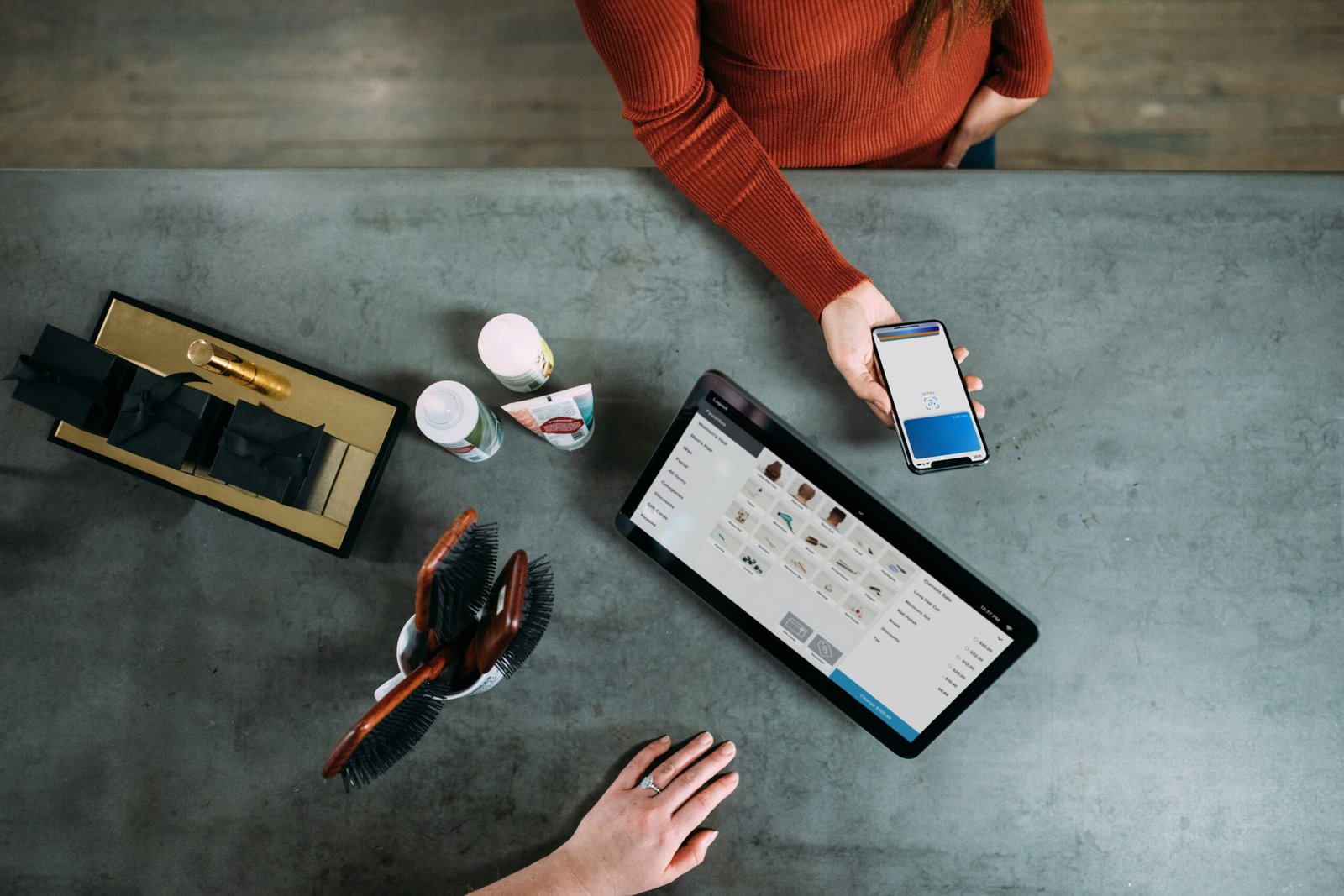
Let our team of e-commerce strategists and UX designers help you redesign a cart experience that drives sales and strengthens your brand. We can be contacted by clicking here. The image is courtesy of Blake Wisz.

JDS WebDesign is a Web Design and Brand Marketing Agency located in Marietta, Georgia. We create AWESOME on line presence for Start-ups and Influential People/Organizations. To learn more about us or how we can help you and your organization, you can contact us or schedule a meeting.
Join our mailing list to keep up with JDS WebDesign and find get tutorials and information about how to improve your website or business.
[et_bloom_inline optin_id="optin_3"]
Get Your Mobile Application TODAY!!!
Unlock your next state of growth. Mobile applications that change minds & deliver more!!!
CLICK THE RED BUTTON BELOW TO GET STARTED!!!